


How to Prepare Your Home for an Electric Vehicle
How to Prepare Your Home for an Electric Vehicle
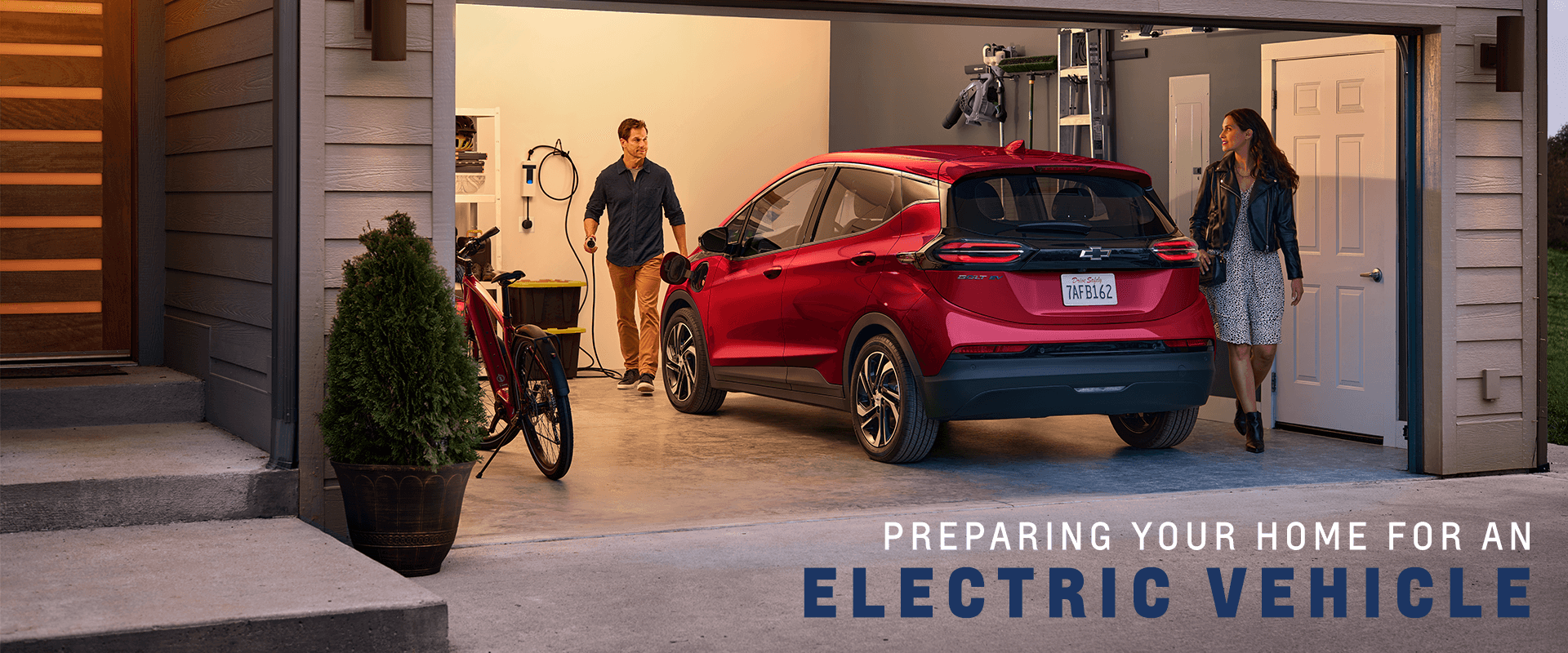
Are you planning to buy an electric vehicle soon? If so, you’ll need to take some steps to prepare your home for it. You’ll need to make some changes to your garage or driveway by installing a Level 2 charging station.
In this blog post, we will discuss how to prepare your home for an electric vehicle. We’ll cover everything from what you need to check, purchase, and install. Let’s get started!
Step 1: Understand the Difference Between Level 1 and Level 2 Chargers
You may be wondering: Why do I need to install a charging station if the electric vehicle I’m buying already comes with a charger? Can’t I use that charger and plug it into an existing outlet?
Yes, most electric cars do come with a portable charger. But this is most likely a Level 1 charger. A Level 1 charger delivers the standard 110 or 120 volts that you can use as it is and plug it in any outlet at your house.
However, one of the downsides of using a Level 1 charger is that it takes much longer to charge. If you connect this charger to a 120-volt household outlet, you will only get 3 to 5 miles per charging hour. To get a full charge, you may need 24 hours or even more depending on your vehicle model.
While this may not be a problem if you’re using your EV sparingly or as a second car, this is not very convenient for drivers who plan to use their cars daily with a full charge.
So what’s the solution? If you want to be able to fully charge your electric car in just a few hours while at home, you’ll need to install a Level 2 charging station. This type of charger delivers 240 volts and can cut the charging time down significantly.
One charging hour can give you 20 to 30 miles of juice! Depending on your EV model, you would only need 3 to 8 hours for a full charge. However, you cannot just plug a Level 2 charger on your existing home outlet if you do not have a 240 volt plug.
Step 2: Check Whether Your Power Consumption Can Handle the Additional Electricity Demands of a Level 2 Charger
If you are planning to install a Level 2 Charging station in your home, it is essential that you check the power consumption of your house. You need to see if your supply can handle the additional electricity demands of charging an electric car. If not, you will have problems later on because it could overload the electric capability of your house.
If you do not have any experience in doing this task, the best approach is to consult with a certified electrician. The electrician will be able to advise and help you on several things including the following:
- Check whether the current power supply will be able to handle the additional load. It’s recommended not to exceed 80% capacity of your electrical load. If not, you may need to install a new electricity service line to accommodate the new charging station.
- Locate the power panel and check how far away it is from your garage or car parking space. This distance will affect whether you may need to pay for extra wiring costs.
- If you already have a 240 volt outlet, the electrician can advise if that is sufficient or whether you need to install a separate circuit just for car charging.
- Arrange the necessary permits to install the Level 2 home charging station.
While you can probably DIY this process yourself, consulting with a professional electrician will help you protect your two costly investments – your electric car and your home.
Step 3: Purchase the Materials Needed for Your Home Charging Station
After checking that your home is capable of handling a Level 2 charging station, it’s time to purchase the materials you will need. To give you an idea, here are the things that you will most likely need:
- Level 2 Charger – You can buy chargers that are made by the same manufacturer of your car or you can choose aftermarket options with costs ranging from $300 to $1,500. Many experts recommend a 30-amp 240 volt Level 2 charger but before buying, make sure it is compatible with your vehicle.
- Outlet – If you don’t have a dedicated 240 volt outlet, you will need to have one installed. Make sure to consult with an electrician to know the suitable one to get. For example, if you are charging outside the garage, make sure to get an outdoor outlet.
- Miscellaneous Materials – Other materials that you may need include wiring, cords, adapters, etc. Again this will depend on the advice of the electrician.
Step 4: Installation of the Home Charging Station
For the installation process, we recommend hiring a professional electrician to do this for you. According to Home Advisor, the cost of hiring an electrician is around $50 to $100 per hour depending on your location.
While this may seem like a major cost, take note that installing a home charging station can save you a lot of time and effort in the long run.
Step 5: Test the Home Charging Station
The last step is to test the home charging station that was installed. you want to make sure that the electrician is also there when you are testing to make sure everything is working properly.
Discover the Benefits of Owning an Electric Vehicle – Visit Rusty Wallace in Clinton TN
If you have any questions about owning an EV, contact Rusty Wallace in Clinton TN today. We can guide you in the process of purchasing your very own electric vehicle!
0 comment(s) so far on How to Prepare Your Home for an Electric Vehicle